
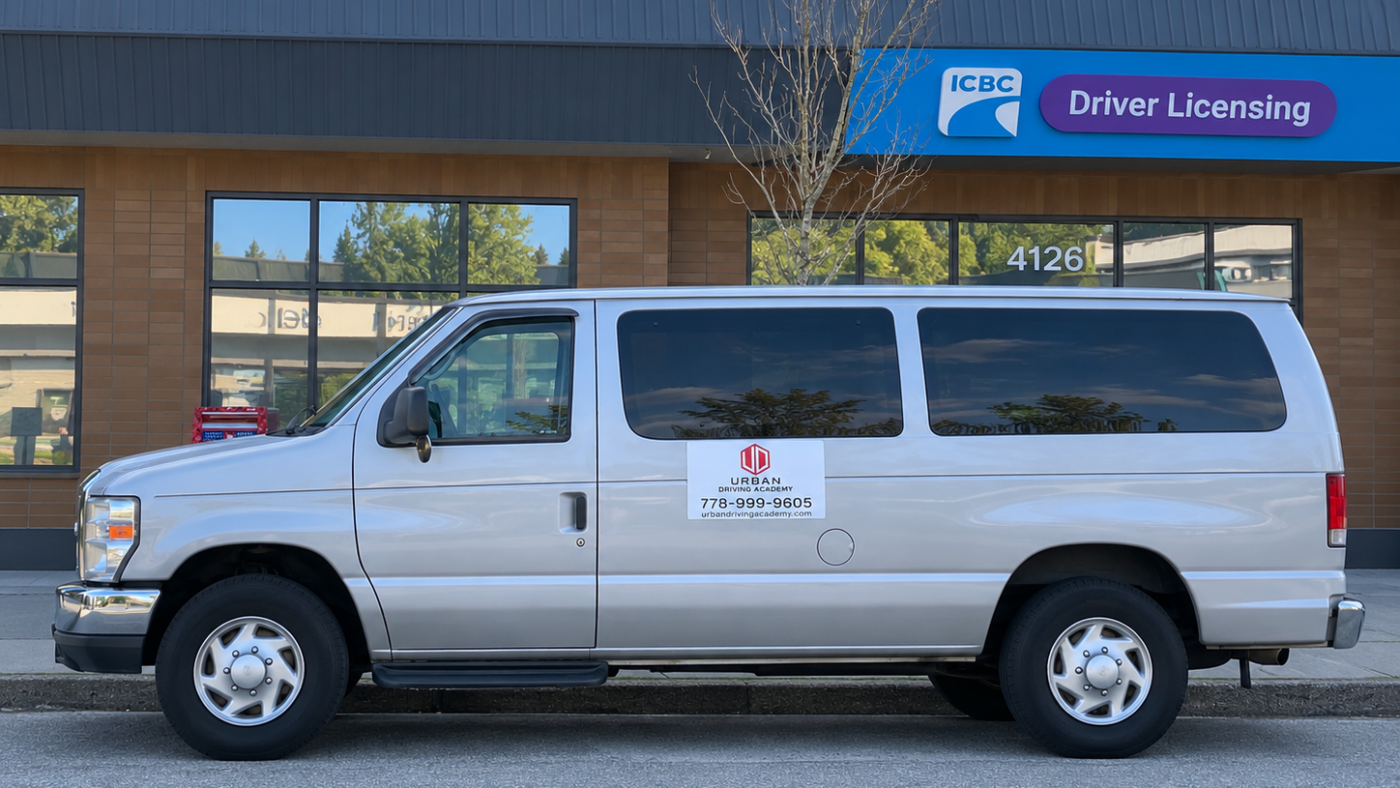
Preparing for the Class 4 Unrestricted pre-trip inspection in BC requires more than memorizing a checklist. You must be able to identify important vehicle components, inspect their condition and clearly explain how you know the vehicle is safe to operate.
The pre-trip inspection is completed before the on-road portion of the commercial road test. Applicants should also review the official ICBC Driving Commercial Vehicles guide while preparing for the test.
This guide follows the practical inspection routine used during training at Urban Driving Academy. The exact procedure and inspection items may vary depending on the vehicle, its equipment and the instructions provided by the ICBC examiner.
Step 1: Beginning the Inspection
Before beginning the inspection:
Park the vehicle on a safe, level surface.
Make sure the transmission is in Park.
Apply the parking brake.
Turn off the engine before inspecting under the hood.
Look around and underneath the vehicle for visible hazards or fluid leaks.
Open and properly secure the hood.
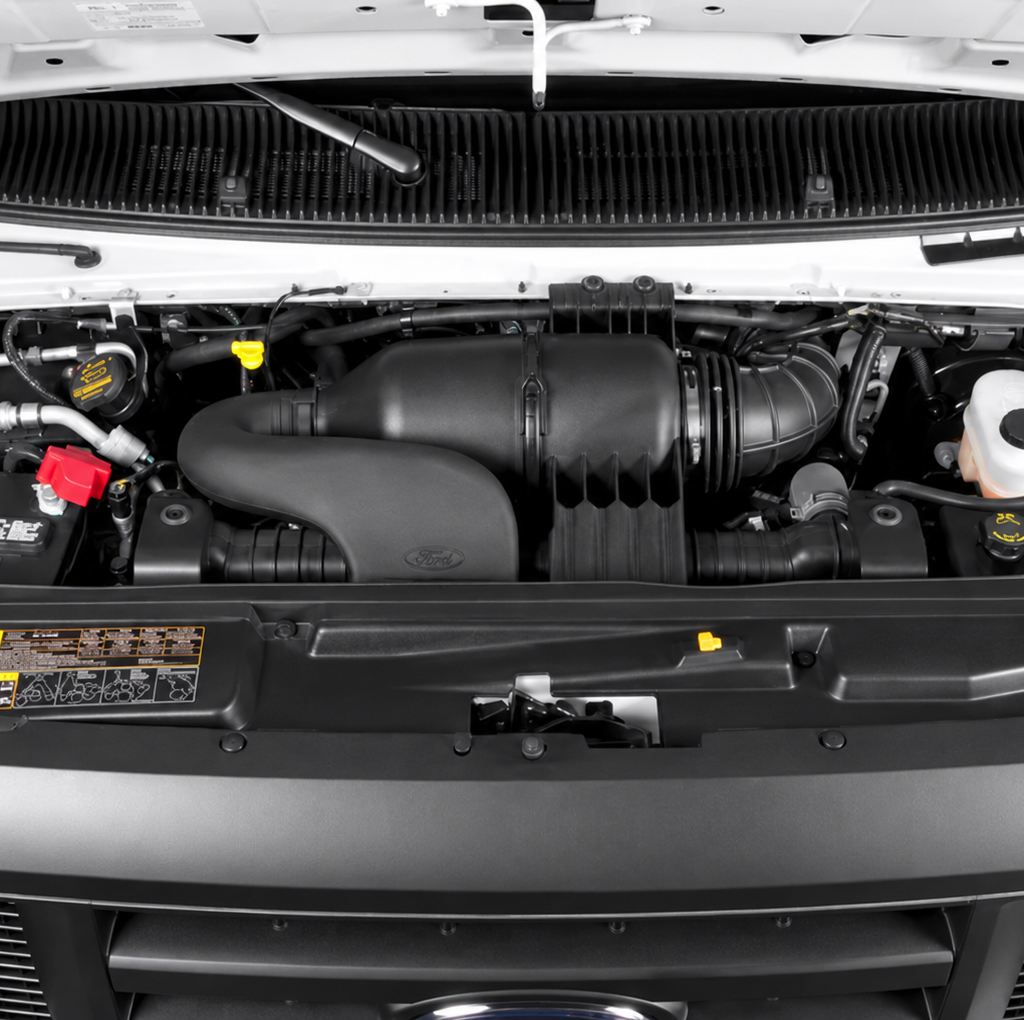
Step 2: Under-the-Hood Inspection
With the engine turned off and the hood safely secured, identify and inspect the following components:
- Check the engine coolant level and look for visible leaks.
- Inspect the brake-fluid level and confirm that the reservoir cap is secure.
- Check the power-steering fluid, if applicable.
- Examine the visible steering shaft and connections for looseness or damage.
- Check the hoses, wiring and clamps for cracks, leaks, loose connections or visible damage.
- Inspect the belts for excessive looseness, cracks or fraying.
- Check the windshield-washer fluid level.
- Confirm that the battery is securely mounted and that its terminals and cables are tight and free from major corrosion or visible damage.
Never open a pressurized coolant cap while the engine is hot. After completing the inspection, close and secure the hood properly.
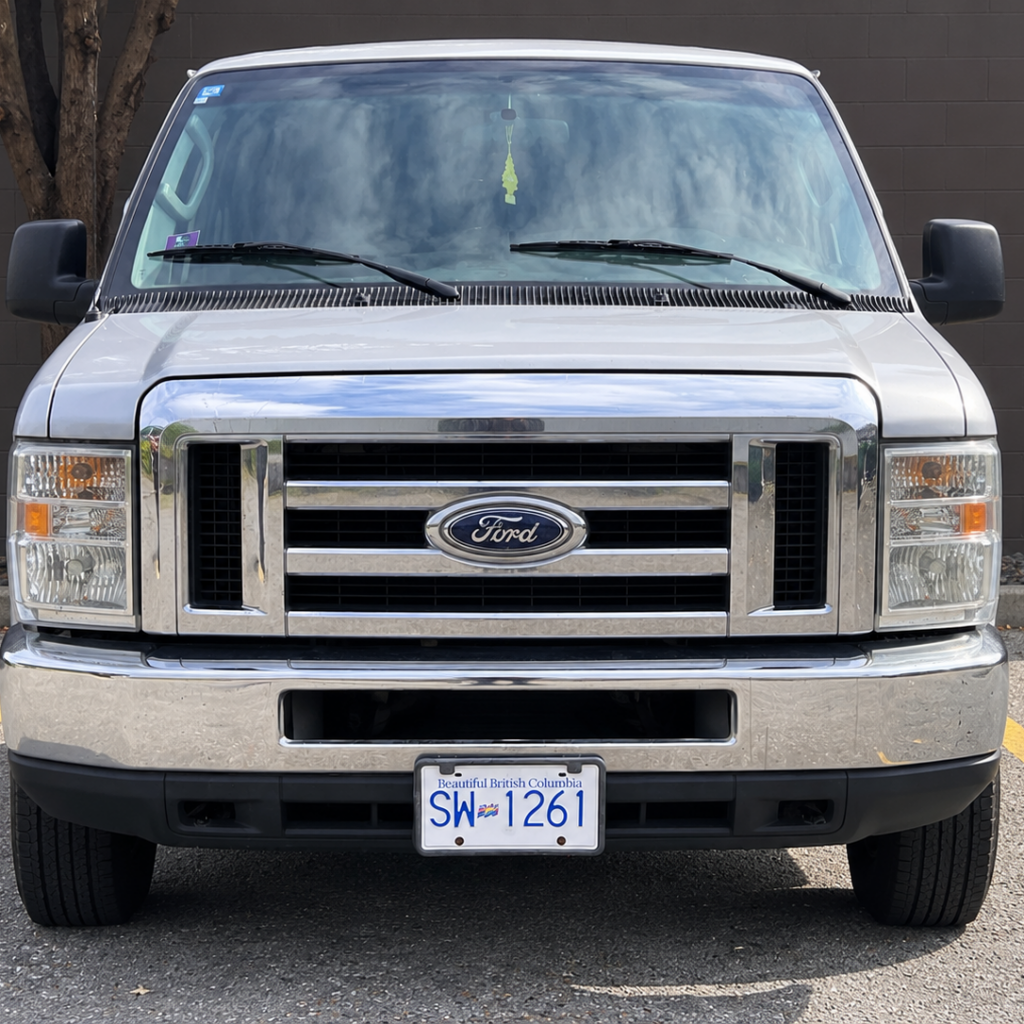
Step 3: Circle Check — Front of the Van
Inspect the front of the van from top to bottom:
- Check the inspection decal or sticker located near the top corner of the windshield.
- Inspect the windshield for cracks, chips or other visible damage.
- Check that the windshield wiper blades are secure and in good condition.
- Make sure the hood is properly closed and securely latched.
- Inspect the grille for loose, missing or damaged parts.
- Check the headlights, turn signals and clearance lights on both sides for cracks, damage or missing lenses.
- Inspect the front bumper to make sure it is secure and free from major damage.
- Confirm that the front licence plate is present, secure and clearly visible.
- Look underneath the van for fluid leaks or other visible hazards.
- Inspect the front tires, including the inner and outer sidewalls, tread condition and inflation.
- Check the wheels, rims and visible brake components for damage, looseness or other concerns.
For complete commercial vehicle inspection requirements and additional study information, review ICBC’s official Driving Commercial Vehicles guide.
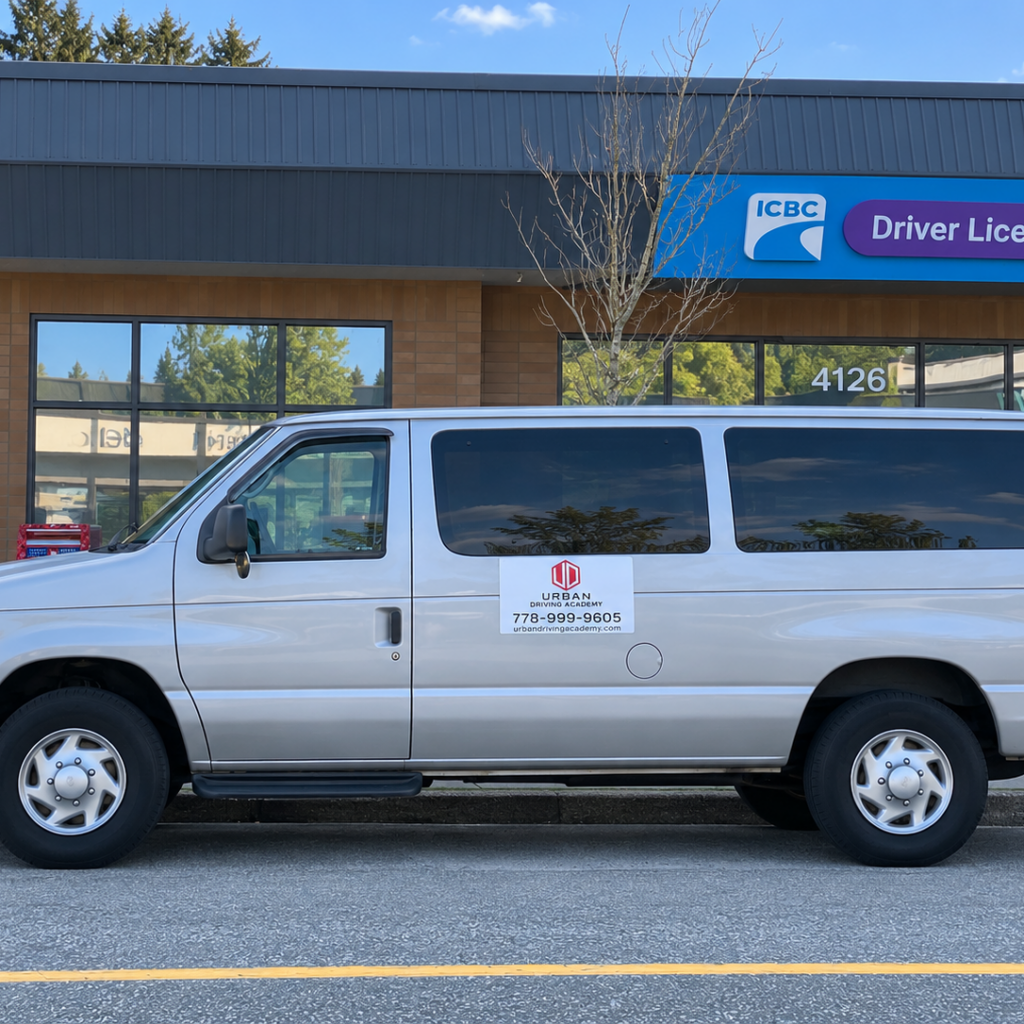
Step 4: Circle Check — Side of the Van
Continue the circle check along the side of the van. Inspect the vehicle from top to bottom and look carefully for damage, loose parts, leaks or anything that could make the vehicle unsafe.
Front Wheel and Suspension
- Check the inside and outside sidewalls of the front tire for cuts, cracks, bulges or other visible damage.
- Inspect the tire tread and confirm that the tire appears properly inflated.
- Check the rim, hubcap and lug nuts. Make sure they are secure and show no visible damage.
- Look behind the wheel and inspect the visible shocks, springs and suspension components.
- Check underneath the wheel area for signs of fluid leaks or loose parts.
Doors, Mirror, Body and Glass
- Inspect the side mirror and make sure it is clean, secure and free from cracks.
- Open and close the door to confirm that it operates and latches properly.
- Check the door hinges, handle and surrounding body panels for damage.
- Inspect the side windows and body of the van for cracks, damage or loose parts.
- Check that all seats and seatbelts are secure and working properly.
- If applicable, inspect the passenger door and emergency exit to make sure they open, close and latch correctly.
Fuel Tank, Frame and Driveline
- Check that the fuel cap is present, properly closed and secure.
- Look underneath the fuel tank for signs of fuel or fluid leaks.
- Inspect the visible frame for cracks, damage or loose components.
- Check the visible drive shaft and surrounding components for damage or looseness.
Rear Wheel and Suspension
- Inspect the rear tire’s inside and outside sidewalls for cuts, cracks, bulges or damage.
- Check the tire tread and confirm that the tire appears properly inflated.
- Inspect the rim, hubcap and lug nuts and make sure they are secure.
- Check the visible leaf springs, shocks and suspension components for cracks, damage or loose parts.
- Look underneath the rear wheel and axle area for visible fluid leaks.
Continue walking toward the rear of the van while checking the windows, body panels and lower edge of the vehicle. Report any damage, leak or unsafe condition to the examiner.
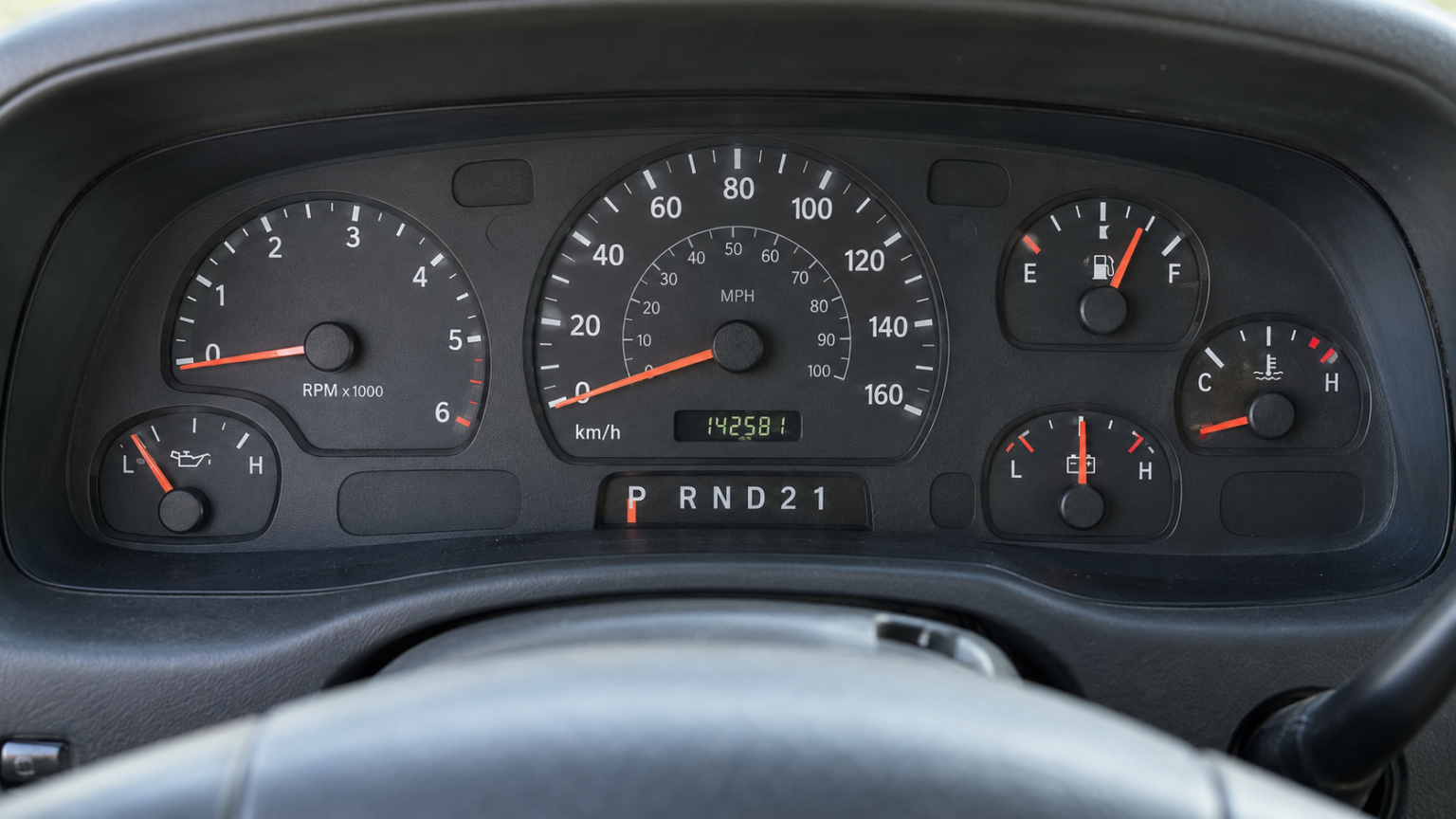
Step 7: In-Cab Inspection and Final Checks
After completing the exterior circle check, enter the vehicle and perform the in-cab inspection. Make sure you can identify and safely operate all important controls.Dashboard and Gauges
- Confirm that the transmission is in Park and the parking brake is applied.
- Turn the key to the first position and check that the dashboard warning lights illuminate.
- Start the engine and confirm that the warning lights turn off, except for the parking-brake light while the brake is applied.
- Check the oil-pressure, fuel, engine-temperature and battery or charging-system gauges.
- Listen for unusual noises and report any warning light or abnormal gauge reading.
Interior Equipment
- Check the interior lights.
- Test the heater, front defroster and rear fan, if equipped.
- Adjust and inspect all mirrors.
- Check the windshield and windows for cracks, damage or anything that could obstruct your view.
- Test the windshield wipers and washer fluid.
- Test the hazard lights and horn.
- Make sure the driver’s seat and seatbelt are secure and properly adjusted.
- Confirm that the vehicle’s insurance and registration documents are available.
Parking-Brake and Service-Brake Test
- Keep the parking brake applied and place the transmission in Drive.
- Gently release the service brake. The vehicle should not move while the parking brake is applied.
- Apply the service brake again and release the parking brake.
- Allow the vehicle to move forward slightly, then press the service brake to confirm that it stops the vehicle properly.
- Return the transmission to Park and reapply the parking brake.
Completing the Inspection
Complete the required inspection form and clearly inform the examiner that your pre-trip inspection is finished. If you identify a defect that could make the vehicle unsafe, report it immediately and do not operate the vehicle until the problem has been corrected. This step-by-step guide is intended as a general study aid. Requirements and procedures may change, so candidates should always review the current information in ICBC’s official Driving Commercial Vehicles guide.Prepare for Your Class 4 Unrestricted Road Test
Urban Driving Academy provides practical Class 4 Unrestricted pre-trip inspection and road-test preparation in North Vancouver, Burnaby and Vancouver. Our training helps candidates become familiar with the inspection sequence, vehicle controls and the safety checks expected during the test. To schedule your training: Phone: 778-999-9605 Email: info@urbandrivingacademy.com Website: www.urbandrivingacademy.comICBC Class 4 Pre-Trip Inspection Form
The sample ICBC pre-trip inspection form below can help candidates understand how different parts of the vehicle inspection may be recorded. Use it together with the current ICBC commercial driving guide and practical instruction.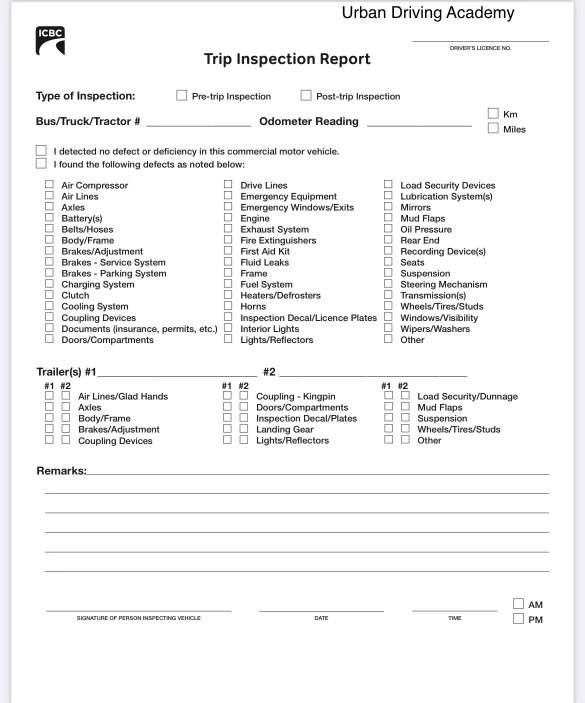
For official pre-trip inspection requirements and a sample inspection report, review the ICBC Driving Commercial Vehicles Guide.
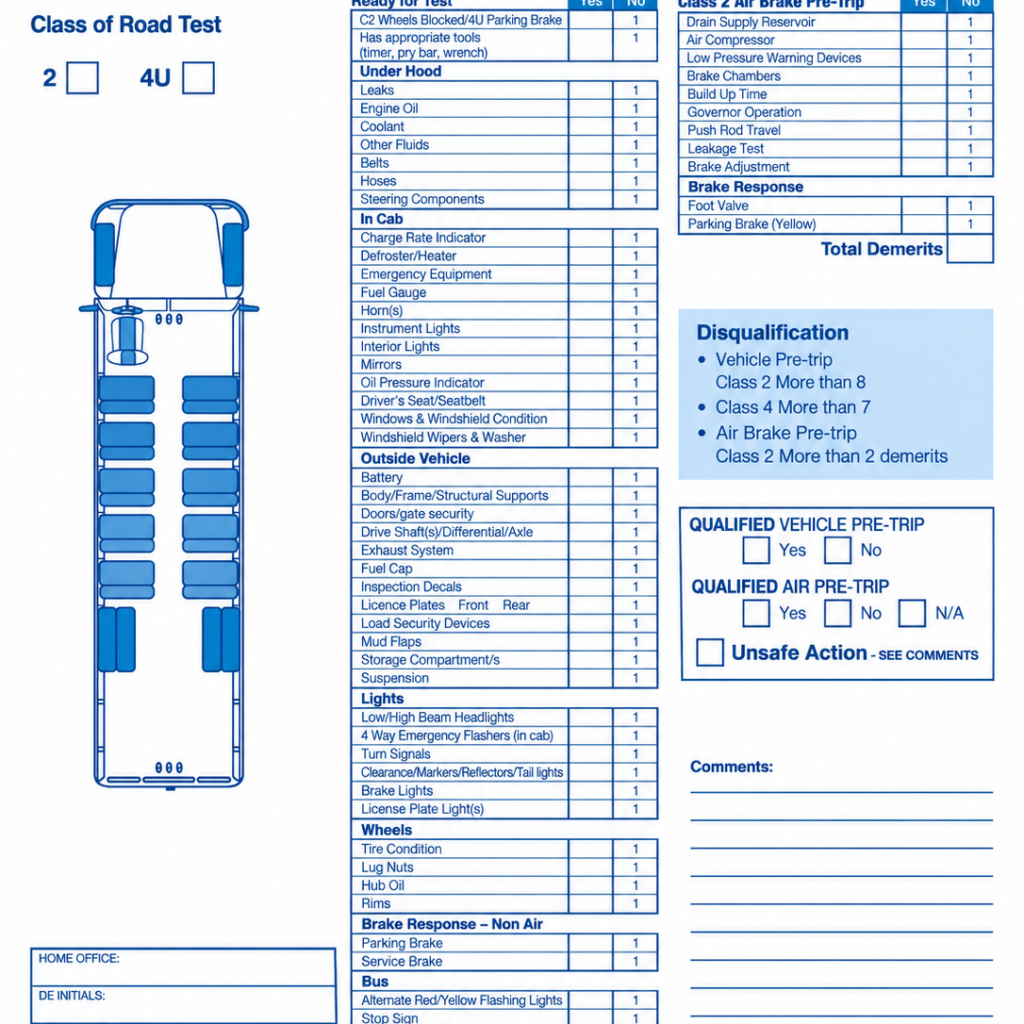
ICBC Class 4 Unrestricted Pre-Trip Inspection Form
Add a Comment